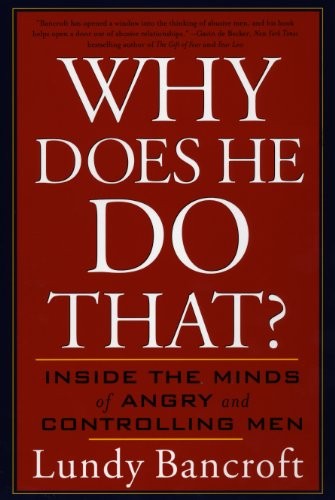
The One-Sentence Version
Abusive men are not out of control -- they are very much in control, they just believe they have the right to control their partners, and that belief is the problem no therapy or anger management class can touch.
The Core Idea
Lundy Bancroft spent over 15 years working as a counselor for abusive men in state-mandated intervention programs. His central finding overturns the most common explanations for abuse. Abusive men are not abusive because they have bad tempers, suffered trauma, struggle with addiction, or have low self-esteem. Bancroft documents in detail that abusive men choose their behavior selectively -- they do not lose control with their bosses, they do not smash things they care about, they do not hit their friends when angry. The abuse is targeted and purposeful, which means it is not a symptom. It is a set of values.
Bancroft identifies multiple types of abusers -- the Demand Man, the Mr. Right, the Water Torturer, the Drill Sergeant -- each with a distinct behavioral style but a shared underlying belief system: that the partner exists to serve the abuser's needs and that controlling her is justified. This taxonomy is practically useful because it helps partners recognize patterns that they often doubt or minimize. Bancroft is also explicit that the standard interventions -- couples therapy, anger management -- do not work and can make things worse. The book is written primarily for women in these relationships, giving them language for what they have experienced.
Key Takeaways
The Abuser's Mindset: What He Actually Believes
Bancroft goes inside the cognitive world of the abusive man -- his grievances, his sense of victimhood, his ability to be charming outside the home -- and explains why these patterns are so resistant to the changes that both partners often desperately want...
Read the Full Summary
Get the complete Why Does He Do That? breakdown plus a new summary delivered to your inbox every week.
- Full breakdown - every framework and key idea
- New summaries delivered weekly, no effort required
- On-demand access - any book, any time
- PDF download on every summary
- Cancel anytime