Read Less. Know More.
The key ideas from every book worth reading
Book summaries that save hours and sharpen decisions.
Get concise, well-crafted summaries from the world's best nonfiction books. Read the core ideas in minutes, then decide what deserves a deeper dive.
7-day free trial, then $15/month
Leadership · Military
Extreme Ownership Summary
The best leaders take full ownership of everything within their sphere of responsibility, including every failure, and never blame their team.
⏱ 9 min read
📖 Jocko Willink and Leif Babin · 2015
⭐ 4.7/5 · 70K+ ratings
📦 2M+ copies sold
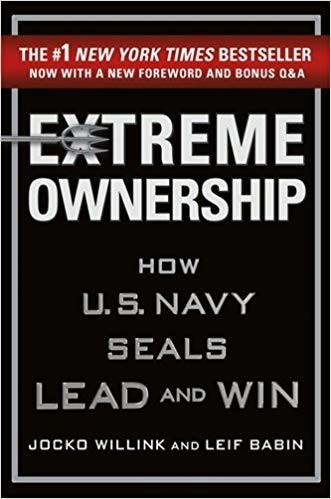
Extreme Ownership
By Jocko Willink and Leif Babin
#1 WSJ Bestseller
📅 2015
⏳ 304 pages
📦 Buy on Amazon →
The One-Sentence Version
The best leaders take full ownership of everything within their sphere of responsibility, including every failure, and never blame their team.
The Core Idea
Jocko Willink and Leif Babin led SEAL Team Three's Task Unit Bruiser in the Battle of Ramadi, one of the bloodiest urban combat operations of the Iraq War. The leadership principles they developed under fire are the foundation of this book. The central idea is this: leaders own everything in their world. When something goes wrong, the leader asks what they could have done differently, not who screwed up.
There are no bad teams, only bad leaders.
The book pairs each leadership chapter with a combat story from Ramadi and a business application. That structure is deliberate. The same principle that kept SEALs alive in Mosul turns out to apply in the boardroom, on the shop floor, and in every team environment where people have to execute under pressure. Ownership is not a posture. It is a discipline practiced in every decision.
Key Takeaways
1
No bad teams, only bad leaders - When a SEAL platoon was underperforming, swapping the leaders between the top and bottom teams solved the problem immediately. The lesson: team performance reflects leadership quality. Leaders set the tone, the standards, and the culture.
2
Cover and move - The most fundamental SEAL tactic translates directly to organizations. Every unit exists to support the overall mission, not to protect its own turf. Departments that fight each other instead of helping each other fail, regardless of individual performance.
3
Simplify everything - If your team cannot execute the plan, the plan is too complex. Leaders must simplify strategy so every person understands the mission clearly enough to adapt and make good decisions without constant direction.
4
Decentralized command - In combat and in business, leaders cannot be everywhere. Every person on the team must understand the intent well enough to lead when the situation demands it. Train people to lead, not just follow.
The Laws of Combat Applied to Business
The four Laws of Combat give Extreme Ownership its tactical framework. Willink and Babin show exactly how each law applies to organizational leadership, from front-line managers to C-suite executives...
🔒
Read the Full Summary
Get the complete Extreme Ownership breakdown plus a new summary delivered to your inbox every week.
- Full breakdown - every framework and key idea
- New summaries delivered weekly, no effort required
- On-demand access - any book, any time
- PDF download on every summary
- Cancel anytime
Start free · Then $15 / month
Start 7-Day Free Trial
No credit card required · Cancel anytime